Deck Structure & Size
Alliance Deck Size: (West Africa, Native American) 9
Empire Deck Size (Roman Empire) 14
Board size 8x6 tiles
There are 5 categories of cards that players can utilise to craft different strategies to defeat their opponents. Their movement and unique actions can be seen below:
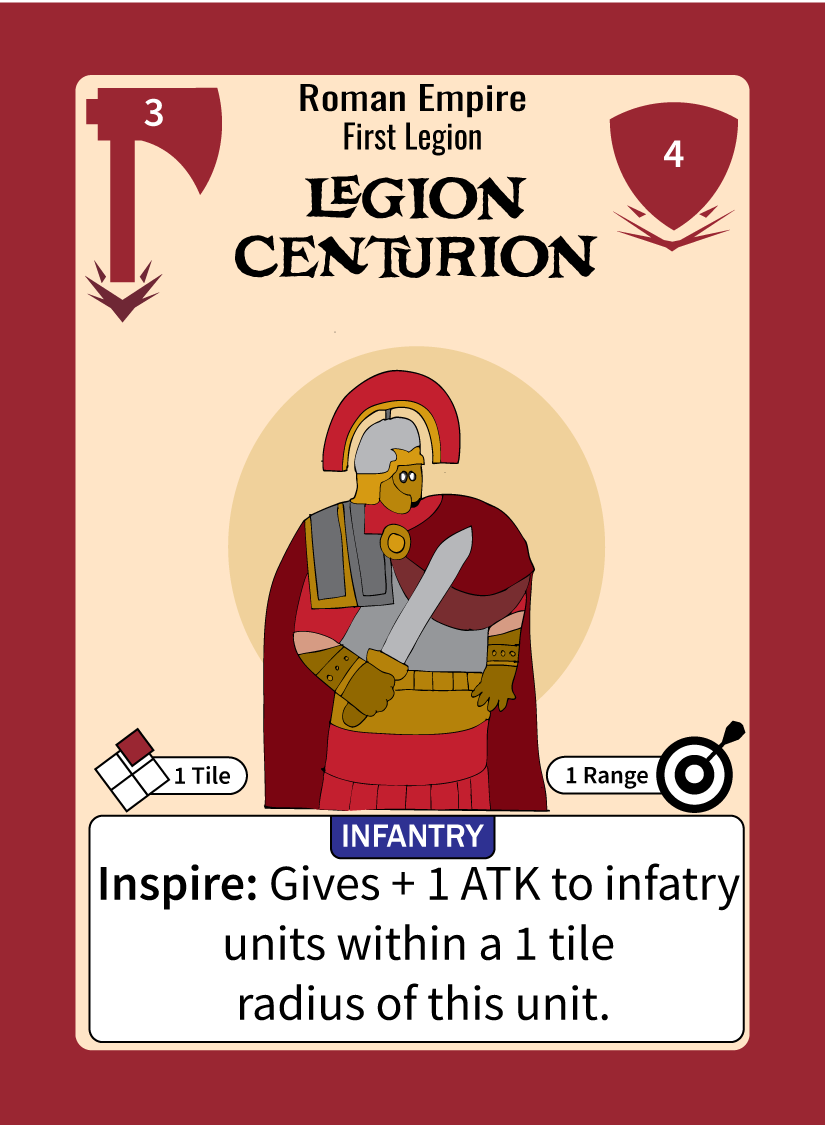
Infantry - Moves 1 tile per turn. Cannot move diagonally. Attacks only the tile directly in front.
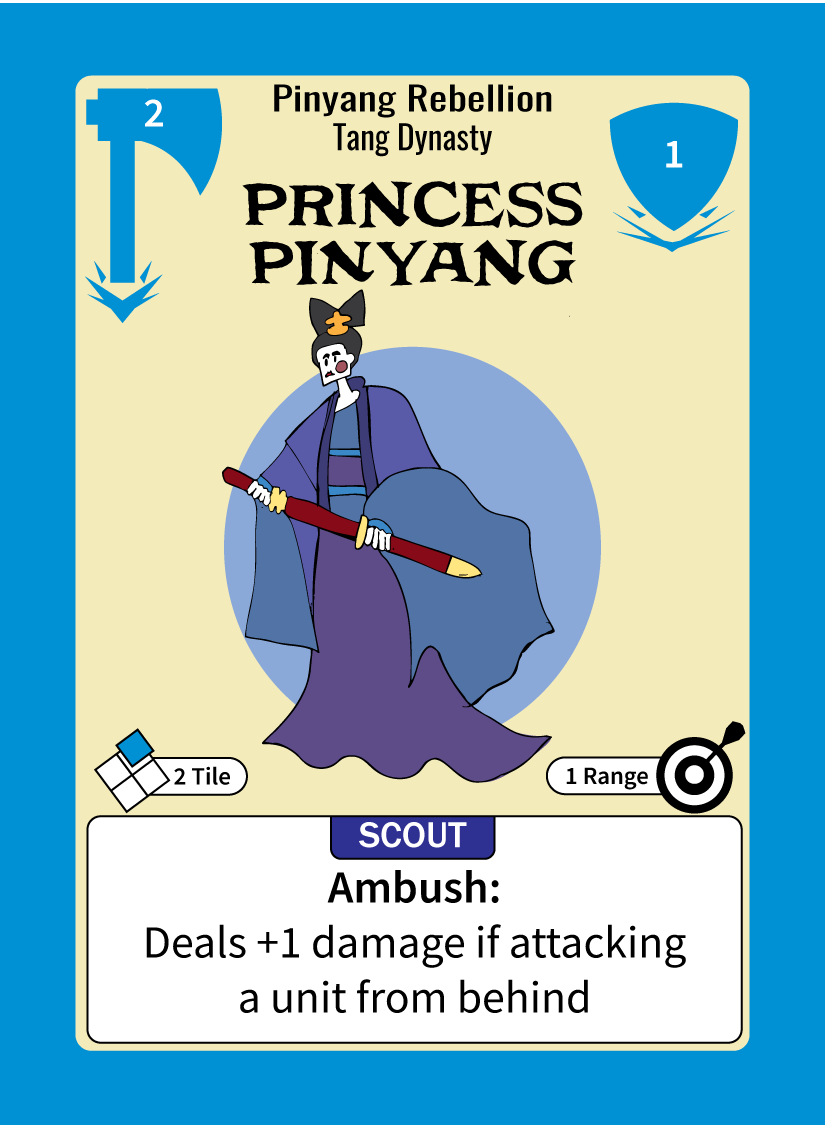
Scout - Moves 2 tiles per turn. Can move forward and diagonally. Attacks in any direction.
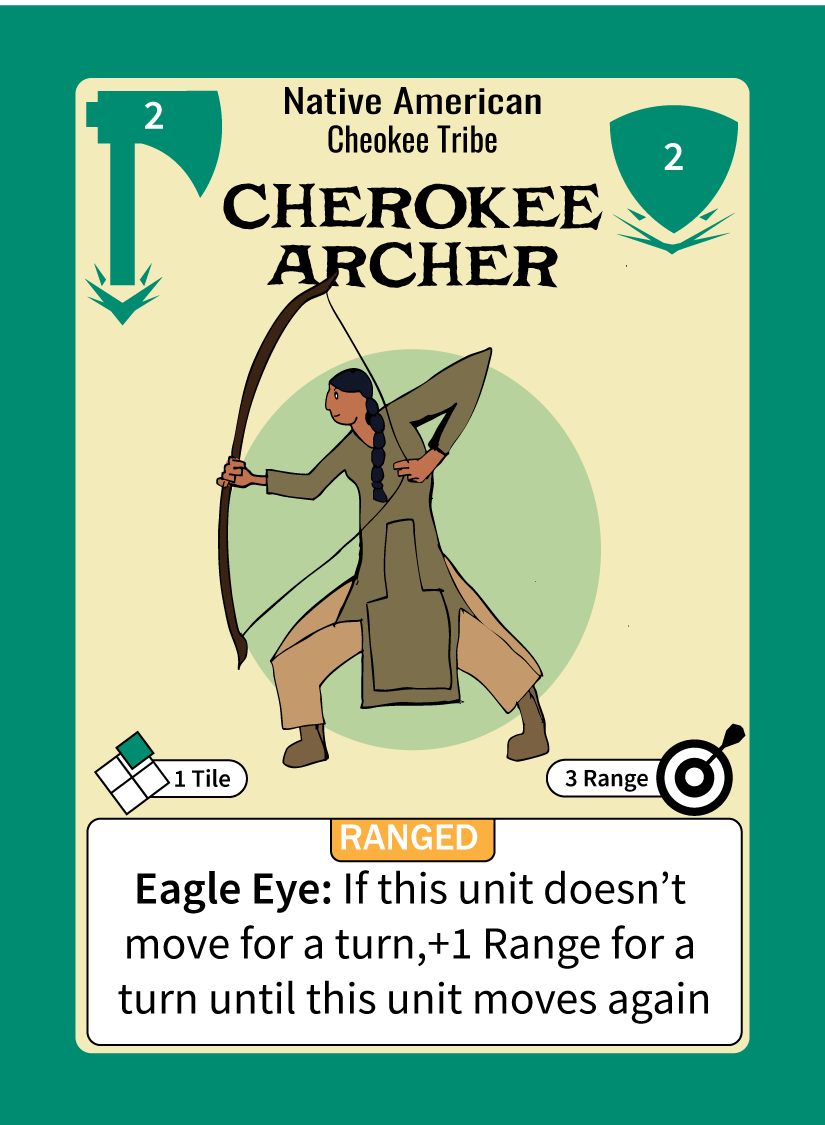
Ranged - Moves 1 tile per turn. Cannot move diagonally. Attacks vertically or diagonally at range. Cannot move and attack in the same turn.
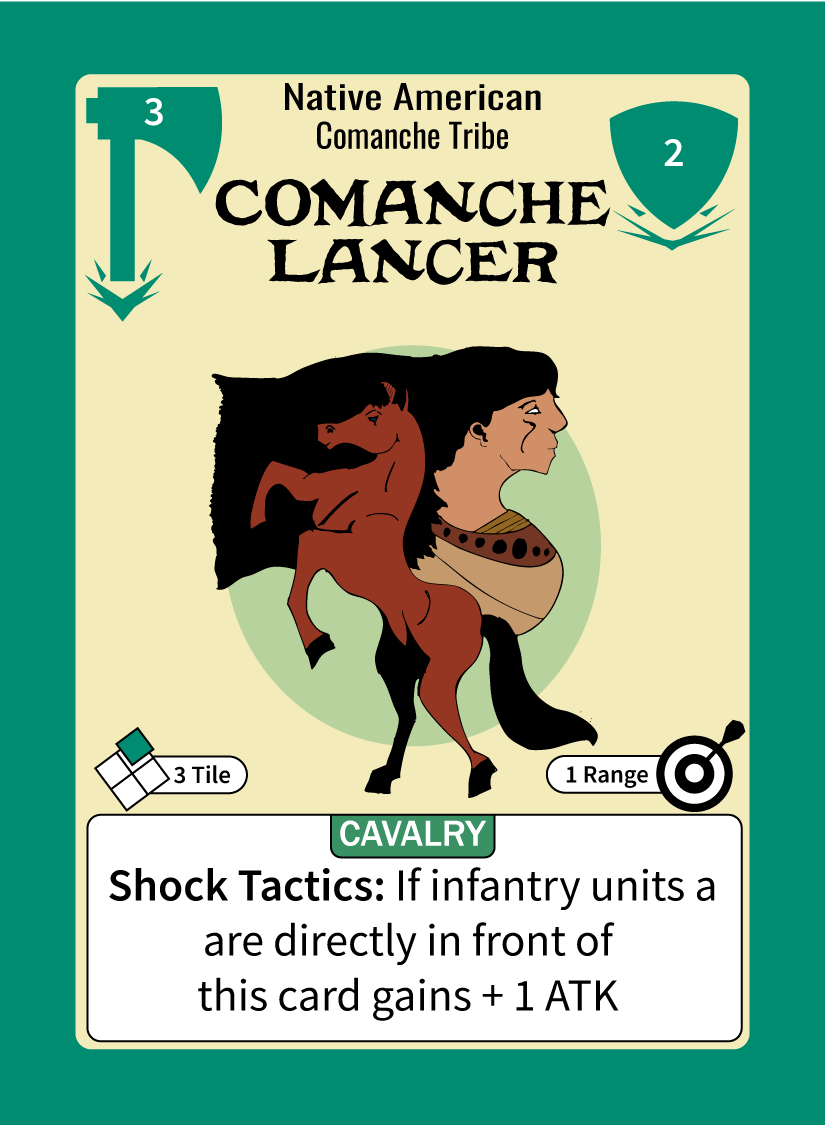
Cavalry - Moves 3 tiles per turn. Cannot move diagonally. Attacks from the frontside, or back—not diagonally.
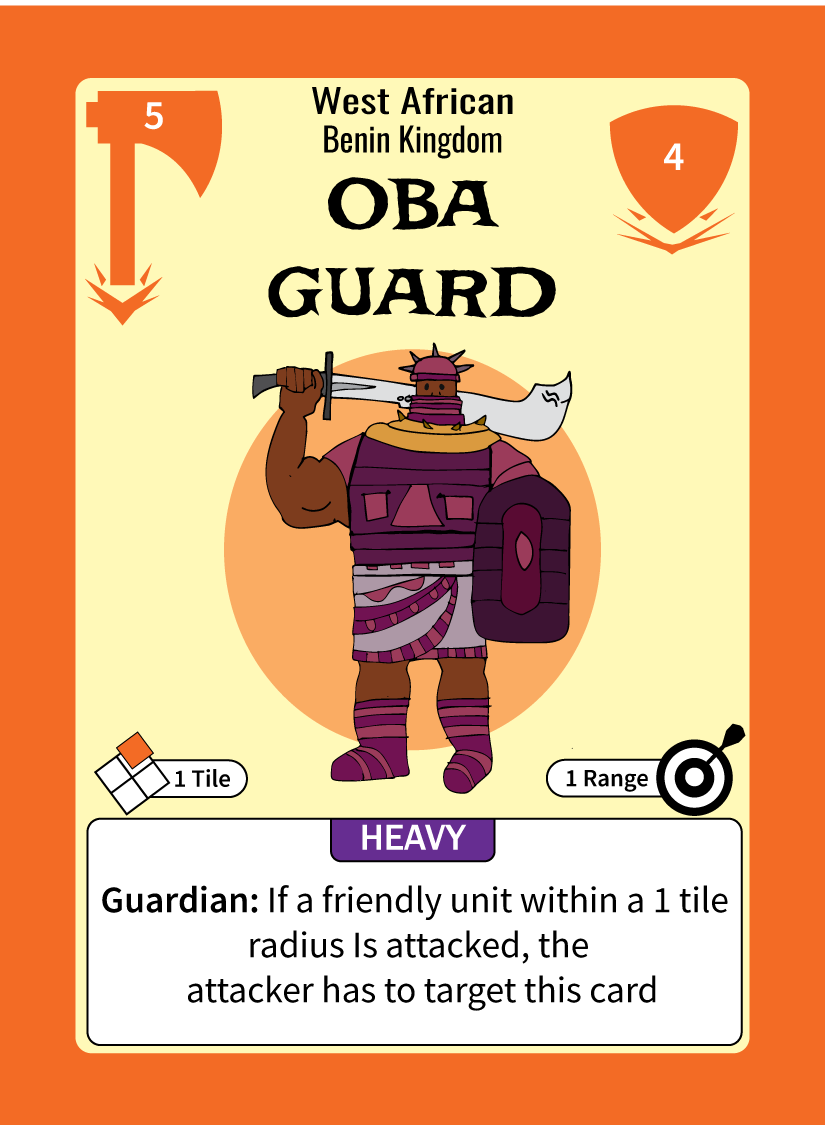
Heavy - Moves 1 tile per turn. Cannot move diagonally. Attacks only the tile directly in front.
Card Stats
Each card displays the following stats: Attack
– Determines if a unit can defeat another.
Defence
– Determines how much damage a unit can take before being destroyed.
Range
– Shows how far a unit can attack.
Category
– Defines the unit type (see above).
Card actions & features:
Tile Movement: How far a card can move
Attack: The action of attacking an enemy card to destroy them
Skills
The majority of units have Skills:
Offensive
Skills: Deal bonus damage based on unit type or faction.
Support
Skills: Buff nearby units.
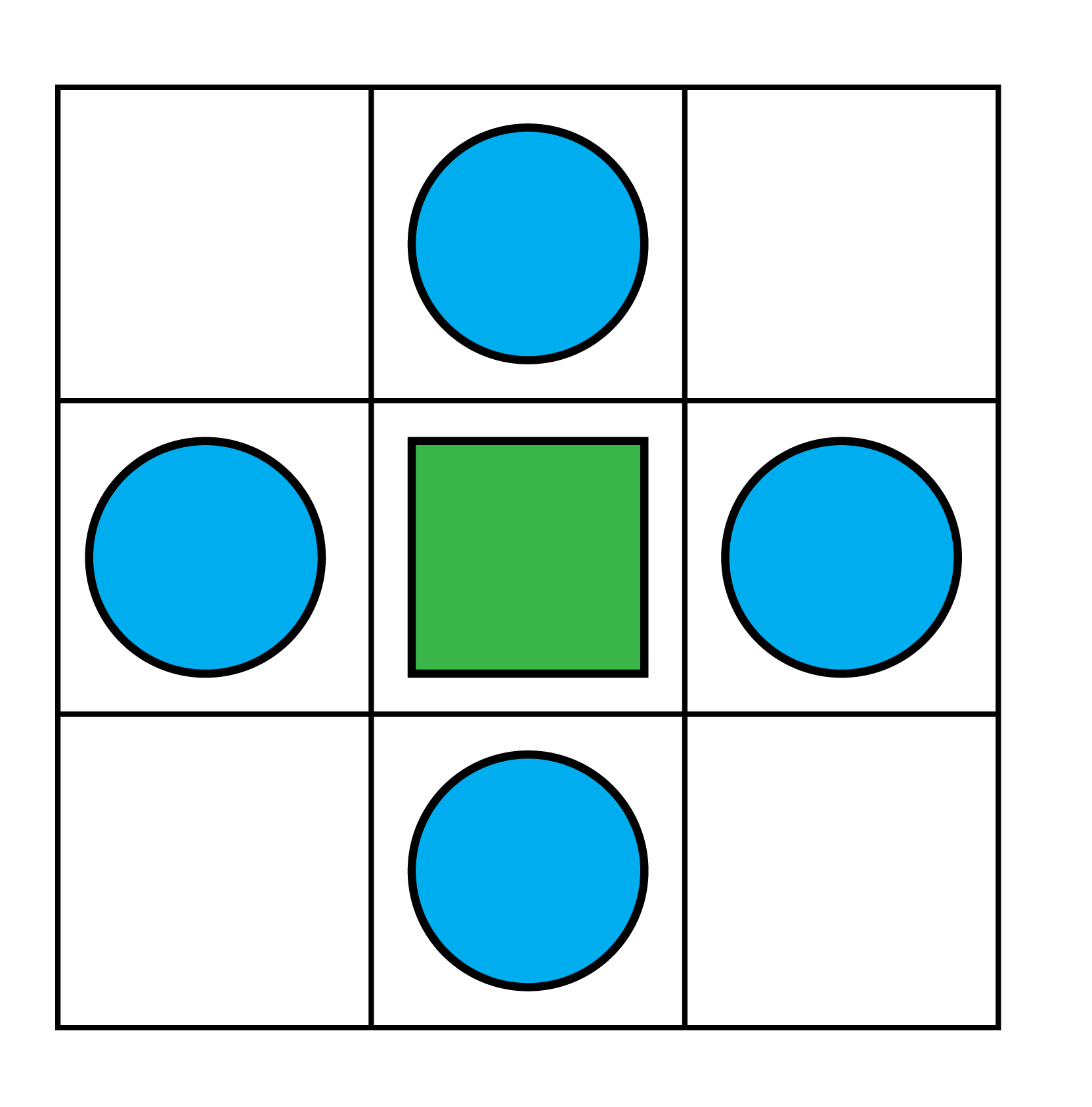
Example: Inspire: Gives + 1 ATK to infantry units within a 1 tile radius of this unit
The Circle represents units that are within the 1 tile radius of the skill
The square represents the unit with a support skill
Movement & Combat
Units move according to their category.
Units can attack after moving but cannot attack before moving.
When a unit attacks:
o If its Attack is equal to or higher than the target's Defence, the target is
destroyed.
o If the target’s Attack is higher than the attacker’s Defence, both units are
destroyed.
o Otherwise, combat is inconclusive
Turn Structure: Standard Edition
1. Shuffle Decks
The Alliance draws 6 cards (3 per player if 2 players are on the same team).
The Empire draws 9 cards.
2. Decide Turn Order & Declaration of Cards
Use rock-paper-scissors or a coin flip. Players each choose 3 desired cards from the opposing players deck that they want, in total there are 6 cards that are up to forfeit. Whoever wins takes 1 out of their 3 desired cards from their opponents deck, each game has heightened stakes.
3. Deploy Units
Each player places 3 units
in their deployment zone (2x6 grid).
The remaining 3 cards can be
deployed after each team's first turn.
4. Second Player Advantage
The second team may shuffle 2 cards back into their deck and draw 2 new ones (1 each if two players).
5. Gameplay Actions
On your turn, you can deploy any number of new units (optional).
Newly deployed units cannot move or attack immediately.
Units that have been around for over a turn can move and/or attack at this point
End your turn; your opponent takes theirs.
6. Winning Conditions
o You defeat all enemy units (send them to the Graveyard),
o Your opponent has no cards left that can stop your victory (checkmate).
o A draw occurs if neither side can defeat the other.
o Zone Infiltration - If an enemy units enter your deployment zone, you lose.